
Healthcare organizations are evaluating AI across nearly every part of the patient experience. But in patient access, success depends on more than whether an AI agent can hold a natural conversation.
It depends on whether that AI can understand how the practice operates and complete the right work inside the EHR and PMS.
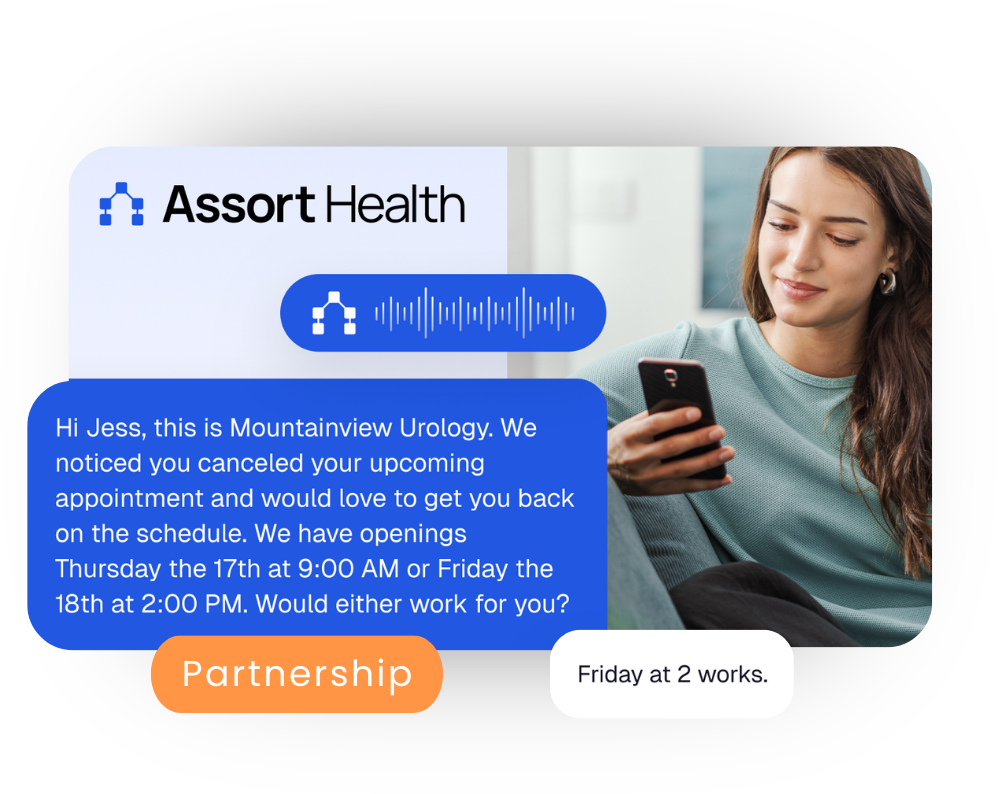
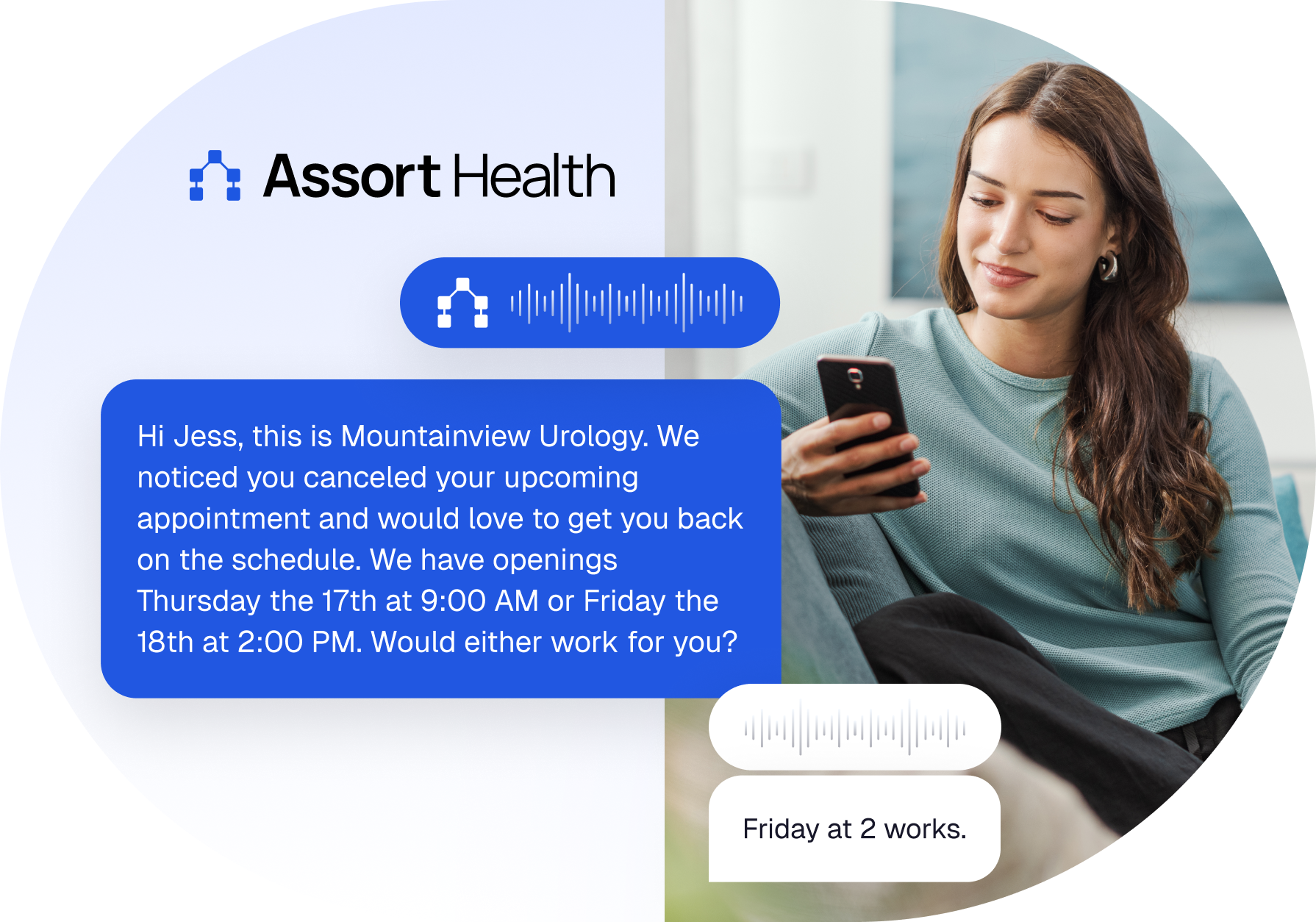
That is why medent has partnered with Assort Health, an AI agents platform that automates patient access workflows across phone, text, and web while completing work directly inside medent.
A patient request may sound straightforward: “I need to schedule an appointment.”
Behind that request, however, are dozens of operational decisions that vary from one practice to the next. Which provider is appropriate? Which location? What appointment type and visit length should be used? Does the patient need a referral? Are there insurance requirements? Should the request be escalated instead?
The answers vary by practice, specialty, department, provider, and location. They determine whether AI reduces work for staff or creates another task for someone to correct later.
Through its integration with medent, Assort can apply each practice’s operational rules and complete the corresponding work directly within the EHR.
Rather than relying on generic scheduling logic, Assort works with practices to understand the operational rules that already exist inside medent, including:
This allows Assort to do more than understand what a patient is asking. It can determine what the practice needs to do next.
When AI works directly within the EHR, it becomes part of the workflow instead of another application for staff to manage.
That means AI can:
Without that integration, staff may still need to review conversations, copy information between systems, correct scheduling mistakes, or manually finish tasks the AI could not complete.
Deep EHR integration helps prevent automation from shifting work rather than eliminating it.
During the implementation of Assort at one orthopedic practice, the team found that the practice’s documented scheduling workflows did not fully match how appointments were configured inside medent.
Instead of automating from static documentation alone, the implementation team validated appointment types, provider logic, and workflow rules against the practice’s EHR data. That process surfaced differences that needed to be reviewed before automation could safely begin.
The additional validation required more work upfront, but it helped ensure that patients would be routed to the right provider and scheduled into the right appointment type. It also reduced the risk that staff would need to correct preventable mistakes after deployment.
This is where healthcare-specific, operationally grounded AI differs from more general-purpose tools. A natural conversation is not enough. The system also has to account for how the organization actually delivers care.
AI can already answer questions, understand patient requests, and communicate naturally. The more important question is what happens next.
Healthcare workflows live inside the EHR. To meaningfully improve patient access, AI must be able to work within those workflows, apply the organization’s rules, and complete the appropriate action.
By combining medent’s platform with Assort’s AI agents, practices can automate patient access while continuing to work within the systems their teams already use.
The goal is not simply to answer more calls. It is to complete more work accurately, with fewer handoffs and less administrative burden for staff.
Learn more about how Assort integrates with medent to automate scheduling, referrals, intake, and other patient access workflows: medent.com/connect/medent-assort-health/.